
Do insoles help flat feet?
They relieve pain and fatigue but do not permanently change the arch.
Insoles and orthotics for flat feet relieve pain and fatigue by supporting the arch and limiting inward roll, but they do not permanently change the shape of the foot. For a painful flat foot, a firm over-the-counter arch support works as well as a custom orthotic for most people. Custom orthotics are worth it for severe deformity, adult-acquired flatfoot, or after surgery. A child with painless flexible flat feet does not need insoles at all.
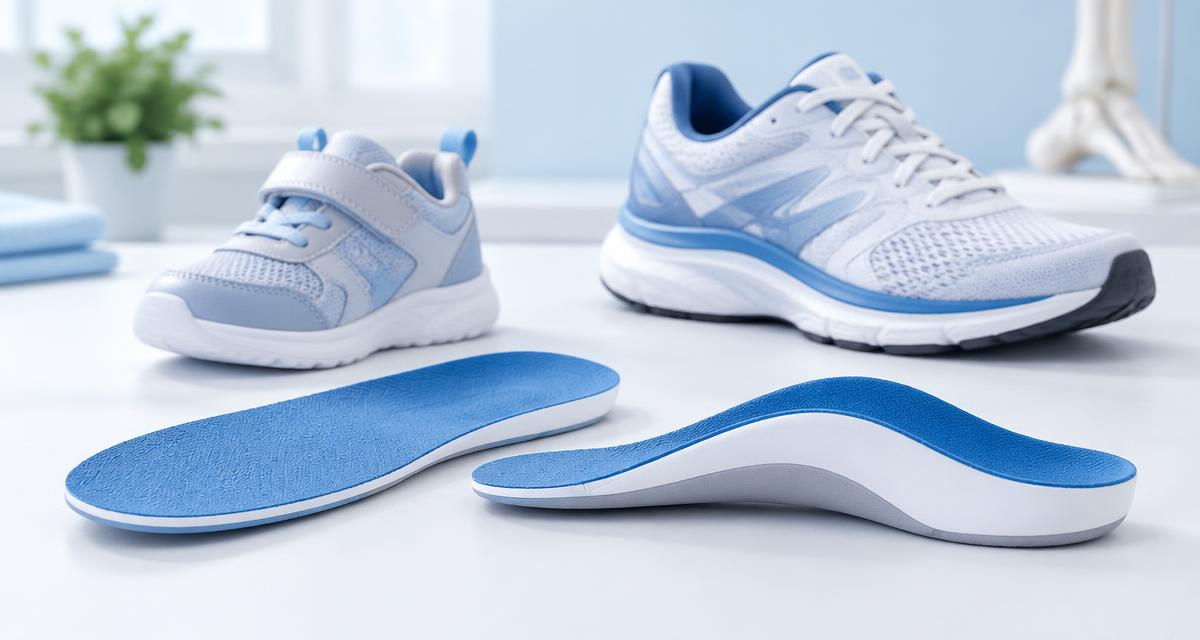
Yes, for symptoms. Studies show insoles reduce foot, heel and leg pain and tiredness in people with flat feet. What they cannot do is build an arch: a long-term trial in children found that corrective shoes and inserts did not change arch development compared with no treatment. Think of insoles like glasses: they help while you wear them, they do not cure the eye.
| Type | Best for |
|---|---|
| Soft cushioned gel insole | Comfort only; gives little arch support. Not ideal for flat feet. |
| Semi-rigid OTC arch support | First choice for most painful flat feet in teens and adults. |
| Heel cup / UCBL-style insert | Controls a heel that tilts outward; used in children with pain. |
| Custom orthotic | Severe or asymmetric deformity, adult-acquired flatfoot, post-surgery. |
| Ankle-foot orthosis (AFO) | Neuromuscular flatfoot or advanced tibialis posterior dysfunction. |
Most children under 8 have flat-looking feet, and the arch develops on its own. If your child has no pain and runs and plays normally, insoles are not needed and will not speed up arch development. Consider them only when there is pain, early tiredness, or uneven shoe wear, and have the foot checked first to rule out a rigid flatfoot or tarsal coalition, which insoles will not fix.
Comparative studies show similar pain relief from good prefabricated insoles and custom orthotics for typical flat feet, at a fraction of the cost. Start with a quality semi-rigid over-the-counter support for 6 to 8 weeks. If pain persists, or the deformity is severe or different between feet, a specialist assessment and custom device make sense.
See a pediatric orthopedic specialist if the foot is stiff, painful despite insoles, flat on one side only, associated with repeated ankle sprains, or getting worse. These point to rigid flatfoot, tarsal coalition or tendon problems that may need different treatment, sometimes surgery.
They relieve pain and fatigue but do not permanently change the arch.
A firm, semi-rigid arch support with a deep heel cup, not a soft gel insole.
For typical flat feet, results are similar. Custom is worth it for severe or complex cases.
Only if there is pain or a specialist recommends it. Painless flexible flat feet need no insoles.
No. They support the foot while worn; the arch shape returns when removed.
Over-the-counter insoles about 6 to 12 months; custom orthotics 1 to 3 years in adults. Children outgrow them sooner.
Mild arch awareness for a week is normal. Sharp pain or blisters mean a poor fit.
Some people with flat feet notice less knee pain, but evidence is mixed; persistent pain needs assessment.
Dr. Mutasem Aldhoon is a leading Pediatric Orthopedic Consultant specializing in complex lower extremity deformities. With extensive experience in advanced joint-sparing and reconstructive techniques, he is the trusted authority for severe pediatric flatfoot and neurological foot reconstructions.